What to Know About Nicotine Pouch Use and Safety
Understanding the basics of nicotine pouches
Nicotine pouches have become a common alternative for people who want nicotine without tobacco smoke or vapour. They are small, pre-portioned bags that sit between the gum and the upper lip, releasing nicotine steadily. In the UK, they are sold by a range of specialist retailers and are used by people switching from smoking or vaping, as well as by those who simply prefer a discreet, smoke-free option.
Because the product is relatively new to the mainstream market, questions around nicotine pouch safety are understandable. People want to know what they are putting in their mouth, how the nicotine is absorbed, and what risks might come with regular use. The answers are mostly straightforward, but there are a few important details worth understanding before you decide whether these pouches are right for you.
How nicotine pouches work
Unlike traditional tobacco products, nicotine pouches contain no tobacco leaf or stem. Instead, they use a blend of food-grade fibres, water, flavouring, sweeteners, and nicotine. The nicotine is extracted from tobacco plants, but the plant material itself is not present. This distinction matters because it removes many of the combustion-related risks that come with smoking, such as tar and carbon monoxide inhalation.
When you place a pouch in your mouth, the moisture in your saliva helps release the nicotine, which is then absorbed through the lining of your cheek and gums. The effect is similar to that of snus or nicotine gum, but the delivery is often faster and more consistent. Most users feel the effects within a few minutes, and the pouch can be kept in place for anywhere from 20 minutes to an hour, depending on the brand and your personal tolerance.

Comparing the risks to other nicotine products
To talk about nicotine pouch safety, it helps to put it alongside other common sources of nicotine. Smoking is widely accepted as the most harmful way to consume nicotine, because the smoke carries thousands of chemicals, many of which are carcinogenic. Vaping eliminates combustion but still involves inhaling vapour into the lungs, which carries its own set of concerns, particularly around long-term effects that are not fully understood.
Nicotine pouches sit in a different category entirely. Because they are not inhaled, they avoid the lung irritation and respiratory risks associated with both smoking and vaping. They also do not produce second-hand smoke or vapour, so they pose no passive risk to others. That makes them a cleaner option from a public health perspective. However, "cleaner" does not mean risk-free. Nicotine itself is a stimulant that raises heart rate and blood pressure, and it is addictive. Anyone using pouches should be aware of their own health conditions, especially if they have cardiovascular issues, and should consider whether they need the nicotine at all.
What to look for when choosing a product
Not all nicotine pouches are created equal. The market has grown quickly, and the quality and consistency can vary between brands. Here are a few practical things to check when you are buying:
- Nicotine strength. Pouches come in a wide range of strengths, from very mild (around 4 mg per pouch) to very strong (over 20 mg). If you are new to pouches, start with a lower strength and see how your body responds. Too much nicotine can cause nausea, dizziness, or a rapid heartbeat.
- Ingredient list. Reputable brands list all ingredients clearly. Avoid products that use vague terms or do not disclose what is inside. Look for pouches made with pharmaceutical-grade nicotine and food-safe fillers.
- Brand reputation. Stick with established brands that have a track record in the market. Smaller or unregulated manufacturers may cut corners on quality control, which can affect both the experience and the safety of the product.
- Packaging and storage. Nicotine degrades with heat and moisture. Pouches should be stored in a sealed, airtight package. If the pouch feels dry or crumbly, it may have been stored poorly, which can alter the release of nicotine and the overall experience.
How to use pouches responsibly
Using nicotine pouches safely is largely about moderation and awareness. One common mistake is keeping a pouch in too long, especially with a high-strength product. The nicotine does not stop releasing after a set time, so leaving it in for an hour or more can lead to a much stronger dose than intended. Most manufacturers provide a recommended time, and it is wise to follow it.
Another point is placement. The pouch should sit comfortably between the gum and lip, not under the tongue or pressed against the roof of the mouth. Moving it around too much can cause gum irritation, especially if you use multiple pouches throughout the day. Some people develop a mild soreness in the gum where the pouch sits, which usually resolves with a break. If irritation persists, consider switching to a different brand or a lower strength.
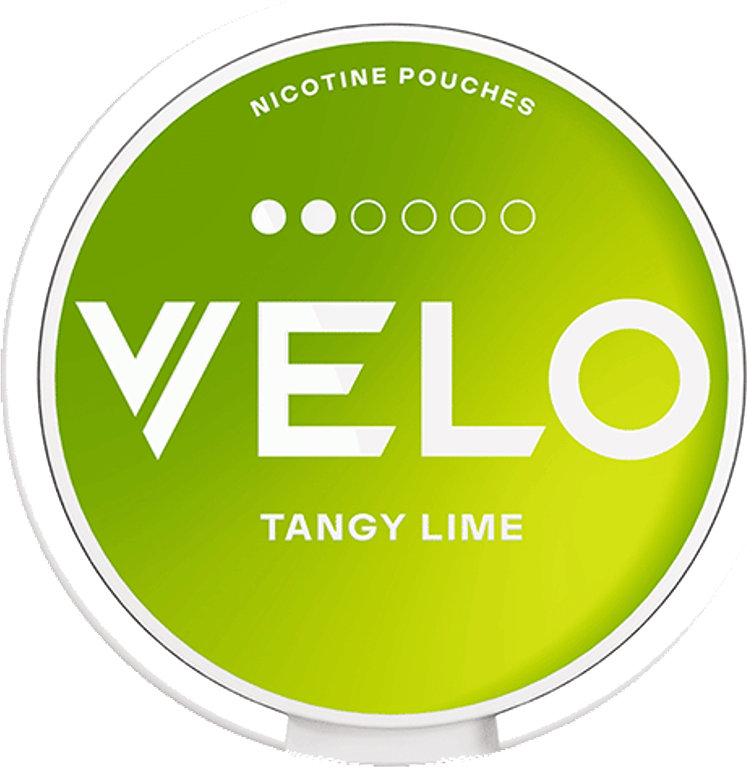
It is also worth thinking about when and why you use nicotine pouches. If you are using them to manage cravings from smoking or vaping, that is one thing. If you are using them out of habit or boredom, it might be worth checking in with yourself. Nicotine is addictive, and regular use can build tolerance, meaning you need more to get the same effect. That cycle can be hard to break, so being mindful from the start is a good idea.
Who should avoid nicotine pouches
Not everyone should use nicotine pouches. If you do not already use nicotine, starting now is not recommended. The pouches are designed as an alternative for people who already consume nicotine, not as a recreational product for non-users. Pregnant women, people with heart conditions, and those under 18 should avoid them entirely. If you have any doubt about how nicotine might affect you, a doctor or pharmacist can give you personalised advice.
There is also the question of long-term effects. Because nicotine pouches are relatively new, there is no decades-long data on what happens after 20 or 30 years of daily use. What we do know comes from studies on snus, a similar product that has been used in Sweden for many years. Those studies suggest that while snus is far less harmful than smoking, it is not harmless. The same logic applies to nicotine pouches. They are a better option than smoking, but they are not a health product. The safest choice is always to avoid nicotine entirely.
Practical advice for everyday use
If you decide to use nicotine pouches, there are a few simple habits that can make the experience more pleasant and reduce the chance of side effects. Stay hydrated. Nicotine can cause a dry mouth, and drinking water helps keep your mouth comfortable. Rotate the position of the pouch from left to right across uses, so you do not irritate the same spot on your gum repeatedly. And dispose of used pouches properly, in a bin, not down the sink or toilet, because the fibres can cause blockages.

It can also be helpful to keep track of how many pouches you use in a day. If you notice the number creeping up, that is a sign your tolerance is building. Some people find it useful to set a daily limit for themselves and stick to it. Others use pouches only at certain times, such as after meals or during breaks, rather than constantly throughout the day. Finding a rhythm that works for you is part of using the product responsibly.
Final thoughts
Nicotine pouches are a relatively clean and convenient way to consume nicotine, and for many people they represent a step down from more harmful products like cigarettes. But convenience should not overshadow the need for thoughtful use. Understanding nicotine pouch safety means knowing the product, respecting the dose, and being honest with yourself about your own habits. When you approach them with that kind of awareness, you are far less likely to run into problems, and far more likely to get what you want out of them without unnecessary risk.